 GigaLaser
Blog · Conditions
Red Light Laser Therapy for Lower Back Pain: What the Research Actually Says
What the research really shows about red light laser therapy for chronic lower back pain, why dose matters, and what to expect. Dublin clinic. Book a consult.
*Reading time: about 5 minutes*
Lower back pain is the most common musculoskeletal complaint in the world, so it has had plenty of research attention. That is good news for you, because it means we can be specific about what laser therapy does and does not do here, rather than making vague promises.
What laser therapy is
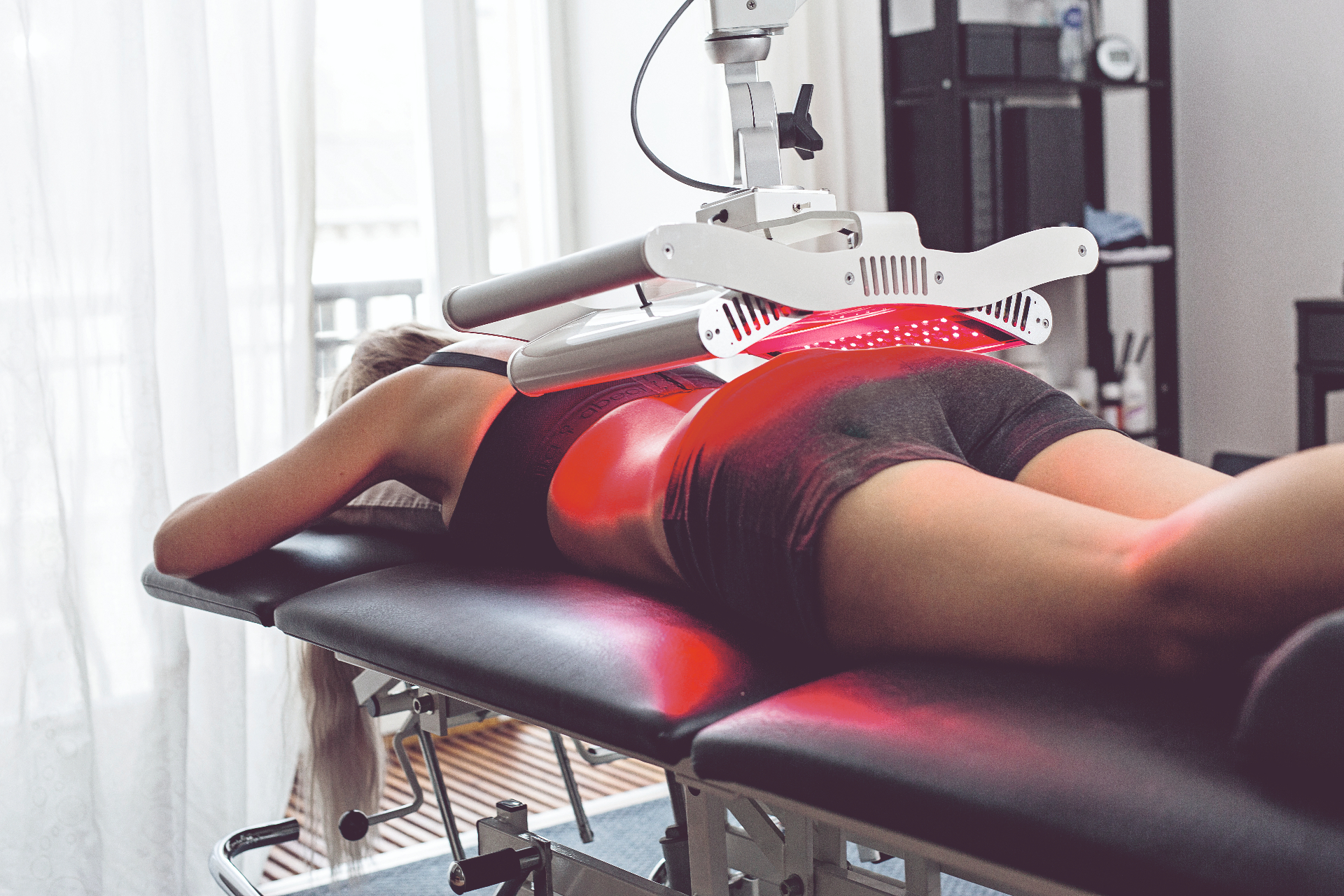
Laser therapy, also called photobiomodulation (PBM) or low level laser therapy (LLLT), uses red and near-infrared light to support the body's natural repair processes. It is non-invasive, contact-free, and painless. It is not a surgical laser and involves no cutting or heat damage.
What the evidence shows for lower back pain
Here is where honesty helps you set the right expectations.
A systematic review and meta-analysis published in Arthritis Research and Therapy in 2015 pooled randomised placebo-controlled trials in people with non-specific chronic lower back pain. It found a significant reduction in reported pain in the laser therapy groups compared with placebo.
The important caveat from the same review: it did not find a significant benefit for disability scores or range of movement. In plain terms, the evidence is more convincing that laser therapy may help how the pain feels than that it transforms how much you can do.
A separate meta-analysis published in Acupuncture in Medicine in 2016 added a crucial detail: the pain reductions showed up in trials that delivered at least 3 joules per point. In other words, the dose mattered.
Why the dose is the whole story
When studies on laser therapy seem to disagree, the difference often comes down to how the treatment was delivered: the wavelength, the energy per point, and where it was applied. Under-dose it, and you may see nothing. Deliver an adequate dose to the right areas, and the picture improves.
This is why the right question is not "does laser work for back pain," but "is it being delivered at an effective dose." We follow structured protocols for exactly this reason.
What to realistically expect
- Expect pain relief as the realistic goal, not a cure. The evidence is strongest for how the pain feels.
- It is cumulative. Most people see the best results over a course of sessions.
- It belongs in a bigger plan. Movement, strengthening, and any care from your GP or physiotherapist remain central. Laser therapy is a complement, not a replacement.
Who it may and may not suit
Laser therapy may be worth exploring if you have persistent non-specific lower back pain and want a non-invasive, drug-free option alongside your existing care. It is not right for everyone, and we will screen for suitability first. If your back pain is severe, sudden, or comes with other symptoms such as numbness, weakness, or changes in bladder or bowel function, please seek medical attention promptly rather than trying self-directed treatments.
Based in Dublin, GigaLaser.ie offers no pressure consultations where we will give you a straight answer about whether this is likely to help in your case.
Research and further reading
- Huang Z, Ma J, Chen J, et al. The effectiveness of low level laser therapy for nonspecific chronic low back pain. Arthritis Research and Therapy, 2015. Read the study on PubMed
- Glazov G, Yelland M, Emery J. Low level laser therapy for chronic non-specific low back pain: a meta-analysis of randomised controlled trials. Acupuncture in Medicine, 2016. Read the study on PubMed
Related reading
- Red light laser therapy for neck pain: an honest look at the evidence
- Red light laser therapy for knee osteoarthritis: why the dose decides the result
- Red light laser therapy in Dublin
*This article is for general information only and is not medical advice. Laser therapy is a complementary approach and is not a substitute for assessment and care from your GP or a qualified specialist. Always consult a healthcare professional about persistent pain, and seek prompt medical attention for severe or sudden symptoms.*
FAQ
Frequently asked questions
Does laser therapy help lower back pain?+
A 2015 systematic review and meta-analysis found a significant reduction in reported pain for non-specific chronic lower back pain compared with placebo. Evidence for improving disability or range of movement was weaker.
Does dose matter for back pain?+
Yes. A 2016 meta-analysis found pain reductions were associated with trials that delivered at least 3 joules per point. Under-dosing often produces no measurable effect.
Is laser therapy a cure for back pain?+
No. Realistic expectations are pain relief as part of a wider plan that includes movement, strengthening and medical care. It is not a cure or replacement for physiotherapy.
How many sessions are needed?+
Effects are cumulative. Most people see the best results over a course of sessions rather than a single treatment.
When should I see a doctor instead?+
Seek prompt medical attention if back pain is severe, sudden, or comes with numbness, weakness, or changes in bladder or bowel function.
Next step
Talk to us about your pain
The first step is a conversation, not a commitment. Message us on WhatsApp and we respond within 15 minutes.
Chat on WhatsApp