 GigaLaser
Benefits · Fertility
A gentle, drug-free companion to your fertility journey.
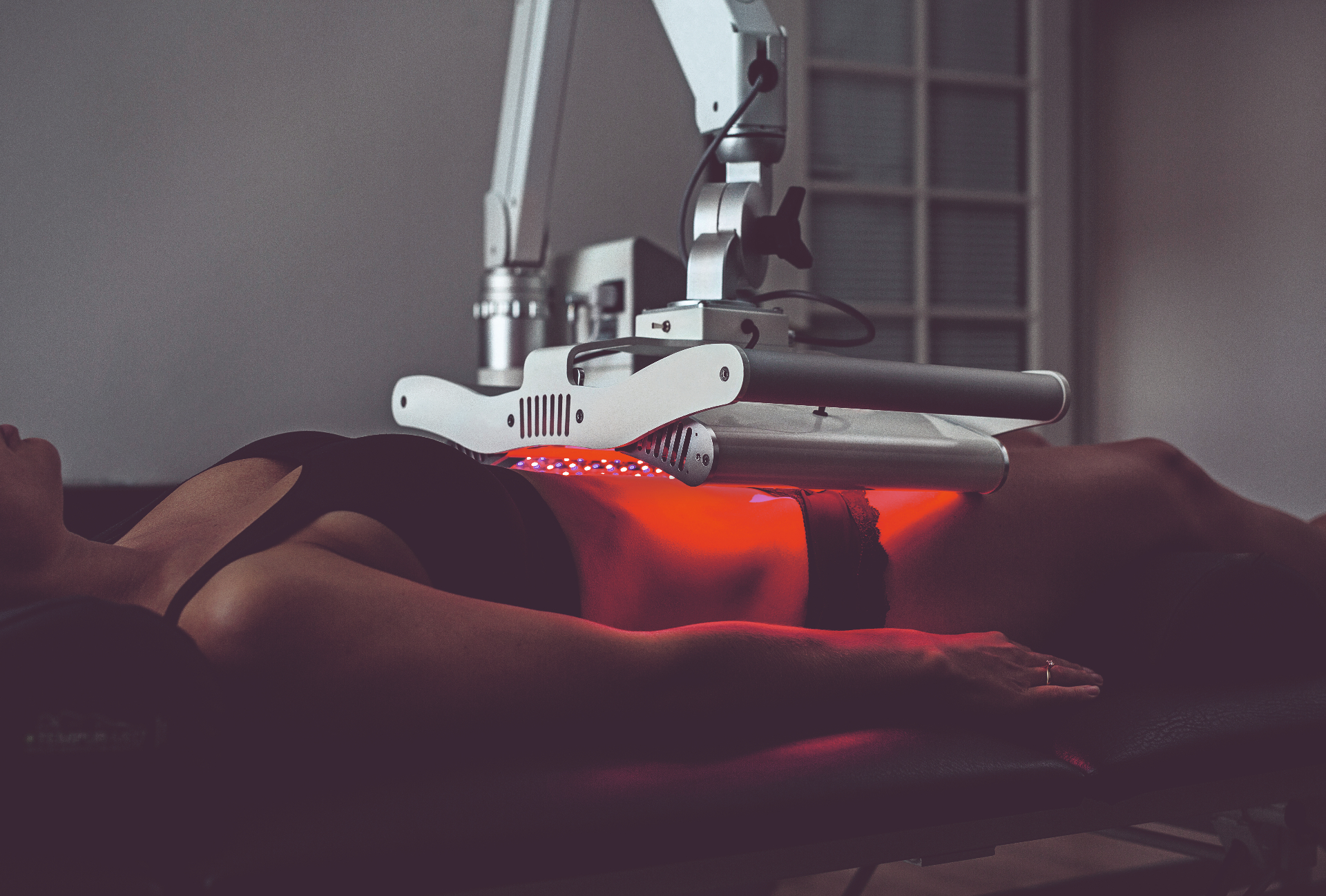
Photobiomodulation is an emerging area of interest in reproductive medicine. Early clinical work, most notably from Danish and Japanese researchers, suggests that red and near-infrared light applied to the lower abdomen may improve mitochondrial function in ovarian tissue and support reproductive health.
The science
Why light and reproduction are connected
Egg quality is tightly linked to mitochondrial energy in the oocyte. As we age, mitochondrial output declines, one factor thought to affect fertility. Photobiomodulation stimulates mitochondria to produce more ATP and reduce oxidative stress.
Applied over the lower abdomen and lower back, red (660 nm) and near-infrared (808 nm) light can reach the underlying pelvic tissues. Research groups have reported improved outcomes when PBM is used alongside conventional fertility care.
Who it may support
Where the GigaLaser is used in fertility care
Preconception
Support cellular energy in the months of preparation before trying to conceive, for both partners.
Alongside IVF/ICSI
Used as a preparatory adjunct in the cycles leading up to egg retrieval, with the goal of supporting egg and endometrial quality.
Unexplained infertility
For couples with no clear medical cause, PBM offers a gentle, non-invasive addition to their protocol.
Male reproductive health
Emerging evidence suggests PBM may support sperm motility and mitochondrial function.
Pelvic pain & endometriosis
Often used in parallel to address pain and inflammation associated with pelvic conditions.
Recurrent miscarriage
Explored as part of a wider preconception plan to optimise reproductive tissue health.
At the clinic
A supportive, considered approach
Sessions typically run over several weeks in the lead-up to a treatment cycle, using the GigaLaser's large treatment area to cover the pelvic region comfortably and hands-free.
What to expect
- Initial consultation to review your journey and current care
- A tailored course of GigaLaser sessions
- Guidance on how PBM fits alongside IVF, medication or natural conception
- Regular review of your response and coordination with your fertility team
FAQ
Fertility & photobiomodulation
Can red light therapy support IVF or IUI?+
Photobiomodulation is used as a preparatory adjunct in the cycles leading up to egg retrieval, transfer or IUI, with the goal of supporting egg quality, endometrial lining and blood flow to the uterus. It complements, never replaces, the care of your fertility team.
How does light affect fertility?+
Egg quality is closely linked to mitochondrial energy in the oocyte. Red (660nm) and near-infrared (808nm) light applied over the lower abdomen and lower back stimulate mitochondria to produce more ATP and reduce oxidative stress, which may support reproductive tissue.
Is photobiomodulation safe during a fertility cycle?+
PBM is drug-free and non-invasive. Sessions are adjusted to your cycle.
How many sessions are typical for fertility support?+
A typical course is 18 to 24 sessions, structured over the weeks leading into your cycle. Your programme is agreed after a free 15-minute overview call.
Does it help with endometriosis or pelvic pain?+
Yes, many clients combine fertility sessions with pelvic-pain support. Red-light therapy is used to reduce pelvic inflammation, improve circulation and ease pain associated with endometriosis.
A gentle next step
Curious whether photobiomodulation could support your fertility?
GigaLaser Ireland offers confidential, non-judgemental consultations. Talk to us about whether the GigaLaser could be part of your journey.